Alpaca are amazing animals!
People are drawn to them, and can't seem to resist their charm! After all, who wouldn't love that smiling face? People take an interest in alpaca and always have lots of good questions. Some of the most common questions people ask me, along with my answers, are below.
What in the world is an "alpaca" and where does it come from?
Alpaca are gentle, peaceful animals who belong to the camelid family. They are related to camels, llamas, guanico and vicuna. Alpaca are native to South America, where they live in groups high on the Andean Plateau and in the Andes Mountains. Alpaca were first brought to the United States in 1984, but have a long history with man in their native South America. Alpaca have been domesticated for nearly 6,000 years and are most valued for their luxurious fleece. The Incas treasured the fiber so much that only royalty could wear clothing made from alpaca fiber. The punishment for disobeying this? Death!
How big do alpaca get?
Alpaca adults typically weigh between 100 and 200 pounds, and are usually 32-39 inches tall at the withers. My boys are on the big side as far as alpaca go.
How long do they live?
The typical lifespan is about 20 years, but some alpaca live well into their twenties. Alpaca are still relatively new to us in the United States, and our knowledge and vet care is improving all the time. As we learn and understand more about alpaca and their needs, we can expect that lifespan to increase.
How can you tell the difference between a llama and an alpaca?
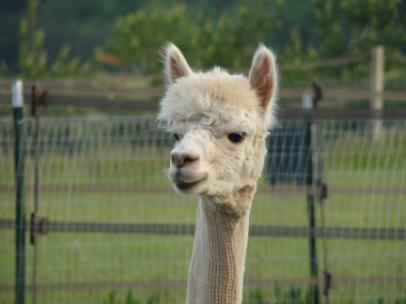
Well, a llama is about twice as big as an alpaca, so size is a clear way to help tell the difference. You can also look at the ears. Llamas have curved ears that look like bananas, but alpaca have straight ears.
Are there different kinds of alpaca?
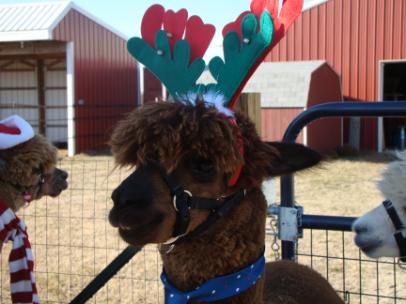
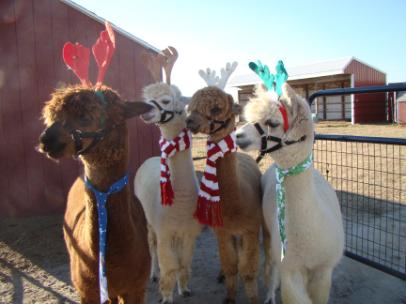
Yes, there are two kinds of alpaca. My boys are all Huacaya- they look fuzzy like teddy bears. The other kind of alpaca is Suri- they look like they are growing dreadlocks.
Do they spit?
Yes, they can spit. Alpaca are prey animals, and they don't have many defenses. (They can run, kick, and spit...that's about it.) They also spit at each other as part of determining dominance and communicating. It's not really spit, though. Spit would be saliva, and this is far from that! Alpaca spit comes from the third (and final) stomach, so it is very well-digested green slime. It stinks terribly and really makes you pause, which gives them time to run! My alpaca don't tend to spit at people. You have to make them really, really angry or extremely scared before they will nail you. What's more likely to happen is that you'll get caught in the crossfire when they spit at each other! And yes, that is extremely gross!
How can you tell if they are mad?
After you spend some time watching alpaca, you get to know their body language. If they stretch their necks, lift their heads, and push back their ears, look out---they are getting ready to spit!
What do you do with them?
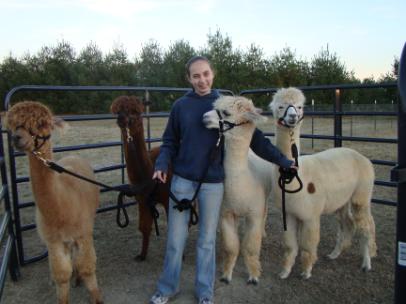
I have 5 alpaca, and they are part of my high school ag project called an SAE (Supervised Agricultural Education). My project has 3 main parts:
1. To care for and learn about alpaca
2. To create and run my own business by making and selling alpaca fiber products
3. To share alpaca with the community and increase awareness and appreciation for alpaca
Why do people say that alpaca are earth-friendly?
Alpaca are often considered the perfect "Go Green" animal for a few important reasons. First, they don't need much food and what they do need is not overly high quality. Second, they are gentle on the land. When they eat vegetation, they 'trim' it. The roots are not disturbed and the plants grow back easily. Also, the bottoms of their feet are soft pads (like the pads on a dog's foot) and they don't tear up the ground. Third, the alpaca give back to the land with their dung. Their 'beans' are a high-quality fertilizer that doesn't burn plants and provides lots of nutrients.
Can I pet an alpaca?
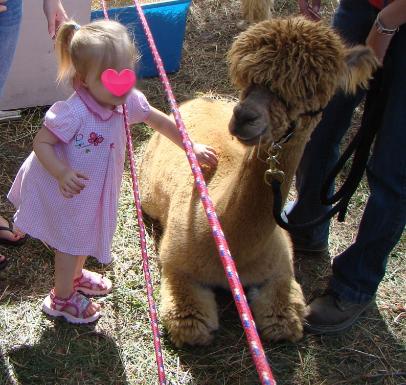
It's always good to ask! You can pet my alpaca, but there are a few things you should know. First, they don't like their heads touched so pet them on the neck or back. Second, they don't like it when hands are grabbing at them, so approach them with your fingers together at the level of their back and don't try to hold onto them. Finally, avoid touching their tails and legs.
Are they hard to take care of?
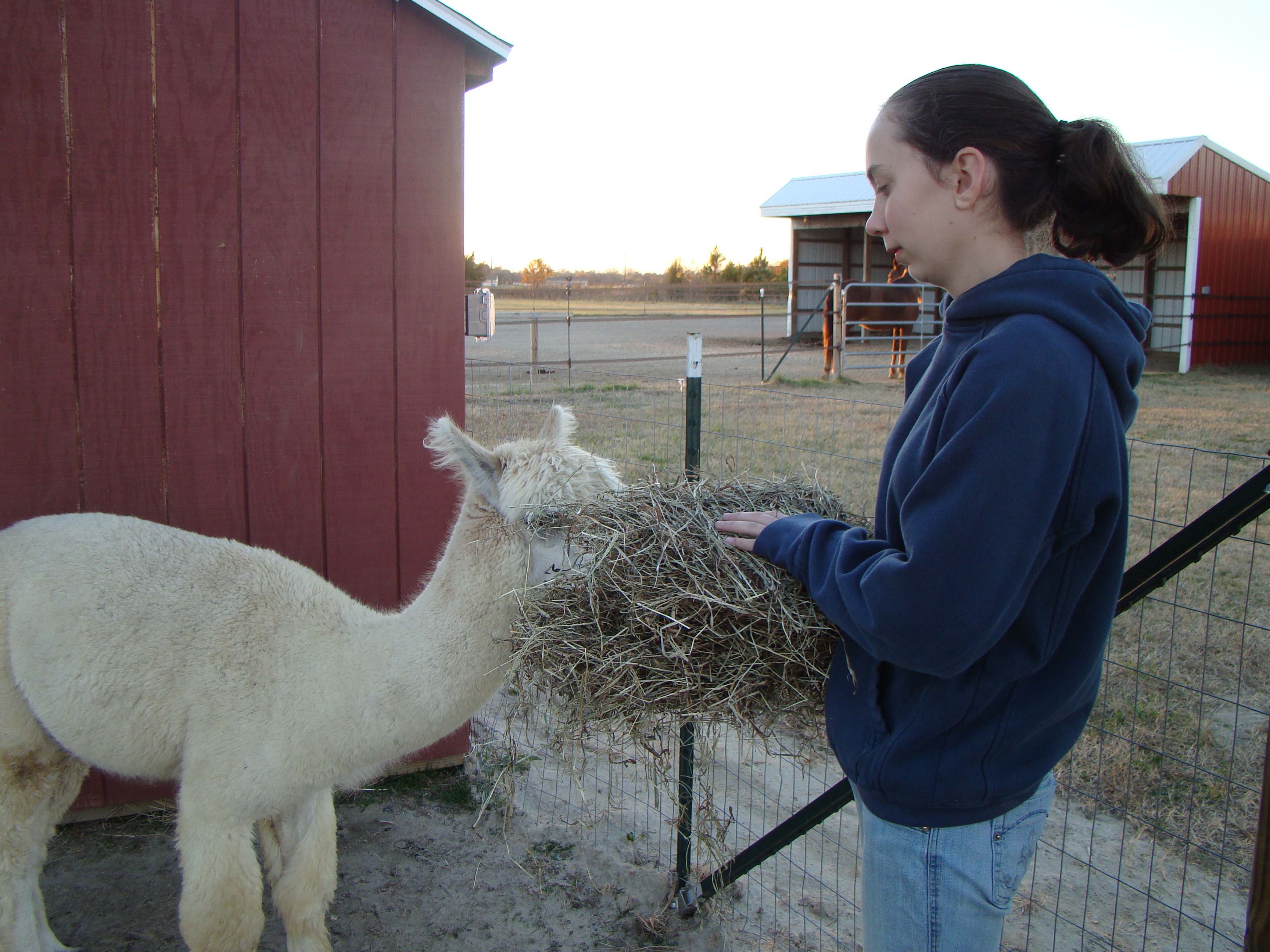
Alpaca need and deserve basic care that includes food, water, shelter, and a clean/safe environment, but they are really rather easy to take care of. They need a fence that not only keeps them in but also keeps predators out. They need a barn or shelter. I feed my boys a small amount of alpaca pellets twice a day, and they always have access to clean water and plenty of grass and/or hay. Alpaca go to the bathroom in a common dung pile, so clean-up goes quickly. We have a vet for our alpaca and they get annual vaccinations. We regularly take fecal samples to the Department of Agriculture to check for parasites. I also make sure I interact with my alpaca, take them for walks on the lead line, and monitor their behavior to make sure they are acting normally. We also have to trim their toenails every couple of months. They have two nails on each foot. The nails grow over the top of the pads on their feet and start to curl if they get too long. My boys don't especially like to get their nails cut, but they usually cooperate without too much fuss.
How smart are they?
I think alpaca are very smart! Each of my boys has his own personality, and each one knows his name. When they are out in the pasture, I can call one name and that specific alpaca will pick his head up and look at me. I can also call all of my boys in and they will come running to me! They know the daily routines extremely well and they know other 'signals' too, such as when we hook up the trailer. They snap right to attention when they see the trailer, always ready to go on an adventure!
Do they make noise?
Alpaca are overall very peaceful and gentle. The most typical noise my boys make is a soft hum when they are excited or nervous. They can also make squeaking, grunting and clicking sounds when they play or challenge each other. They also have a very loud alarm call for when they sense danger.
Do they smell?
Actually, the smell of alpaca is one of my favorite smells in the entire world! It is a very pleasant smell, not too strong, and very soothing.
What do you do with them in the winter?
The winter isn't really much of a problem for my boys. They like the cold weather and have plenty of fleece on them to keep them warm. They always have access to shelter and can go in and out as they please. A strong winter wind will send them inside, and they don't venture far when the snow is deep, but other than that they love winter! The summer is more of a concern. The heat is hard on them, especially in August and September when they have a good bit of fleece on them. Alpaca can get heat stroke and even die from it, so I try to keep my boys cool by making sure they have shade and fans. Alpaca lose heat through their bellies, and they love it when I spray their stomachs with a cool hose. They also love kiddie pools! I fill the hard plastic pools with just an inch or two of water and they lay in it to cool off.
How often do you cut their hair?
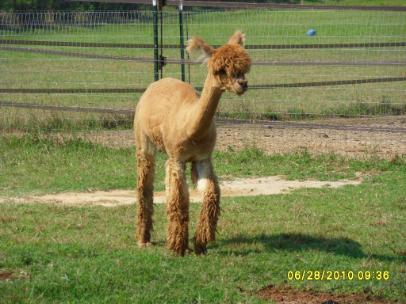
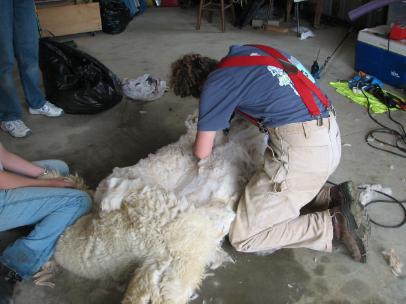
My alpaca get sheared once each year. We have a wonderful shearer who comes to our farm and gives my boys a haircut! We usually do this in late April or early May, before the weather gets really warm. By late spring, my boys have a good, thick coat of hair that's at least 4 inches long. I love Shearing Day! It's wonderful to get a whole new batch of fiber to work with and I really love to see my boys strut around, showing off their new haircuts and feeling oh so good!
Where did you get your alpaca?
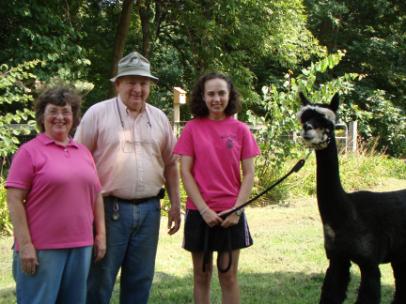
I got all 5 of my boys from Scott and Betsy Gove of Sandhill Alpaca in New Market, Maryland. They taught me so much and helped match me with the perfect alpaca for my project! You can also find alpaca for sale with a simple internet search. There are all kinds of great alpaca for sale, both for fiber and for breeding, and there are a few farms in Delaware now, too, that sell alpaca.
What are the babies like?
My boys are only for fiber, not breeding, so I have never had any babies to care for directly. I have been around them, though, and they are super cute! Their fiber is exceptionally soft and they are so sweet and curious. Alpaca can be bred at any time, but most people plan for babies to be born in the spring. (Gestation takes about 11 and 1/2 months.) A baby alpaca is called a cria and weighs about 15 pounds at birth.